

Public Radio's Environmental News Magazine (follow us on Google News)
Maine Race for Senate, Climate and Environment
The closely watched race for US Senate in Maine is pitting two environmentally concerned candidates against each other. Not only do Republican Susan Collins and Democrat Troy Jackson both have fairly similar green and climate views, they’re from the same rural county and both have roots in the lumber industry that’s so important to the state.

Public Power and Industry Pushback
In Ann Arbor, Michigan, public power advocates have battled since 2018 to take electricity non-profit, and hope to win a referendum vote in November. But strong opposition from dividend-paying DTE Energy is being stoked by an alleged misinformation campaign with claims of higher costs of going public from what seems to be at least one citizen group that is in fact funded in part by DTE.

The Carbon Wave
In 2022, President Biden’s signature climate bill appeared doomed in the 50-50 divided Senate when West Virginia Senator Joe Manchin, a centrist Democrat with close ties to the fossil fuel industry, declined to pledge his critical vote. But negotiations restarted in secret, and the largest climate package in US history became law. Leah Stokes’ 2026 book The Carbon Wave: A Story of Democracy, Parenthood, and the Race to Protect Our Planet tells the gripping story of how the Inflation Reduction Act came together and cleared the final hurdles.

‘Blockbuster’ Climate Case at Supreme Court
When the US Supreme Court set Monday, October 5th for oral arguments on an appeal from the Colorado State Supreme Court by Suncor and Exxon, it highlighted what could become a landmark case about damage from climate change and the role of fossil fuels. Why the case could make or break the ability of states and local governments to ‘make polluters pay.’

The Wild Dark: Finding the Night Sky in the Age of Light
Our brightly lit modern world is increasingly drowning out the stars. To rediscover what we miss when we can’t look up and see the heavens in their full glory, award-winning author Craig Childs embarked on a journey by bike from blindingly bright Las Vegas into the dark skies of the remote Nevada desert.

State Elections and the Climate
Much is at stake for the climate and environmental protection when it comes to this fall’s Congressional and Senate races, in the middle of the second Trump presidency. But the often-overlooked elections for state legislatures and governors can also go a long way towards shaping the future of these issues, and we discuss a few key states to watch.

“How to Love the Stars”
Being able to look up and see stars is something to be treasured in our modern age. And for writer Jennifer Junghans, a connection to the stars is also a connection to her dad.

Join the Living on Earth Book Club on October 13th!
Bestselling science journalist Ed Yong joins us to talk about his new book. Click here to learn more and register!
.png)
Celebrating 30 years of Living on Earth!
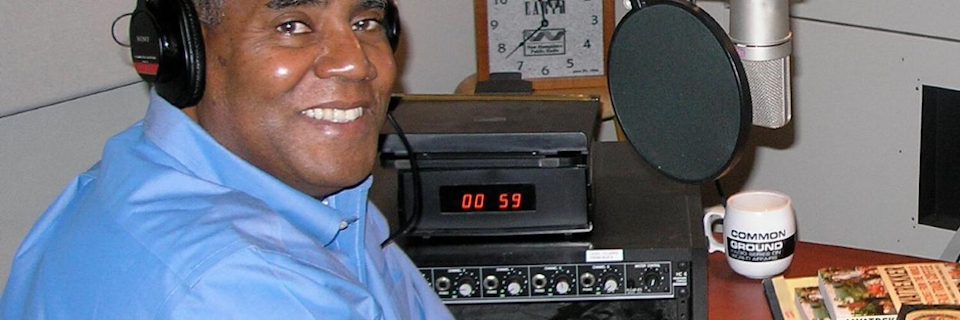
Host Steve Curwood in the Living on Earth studio
Maine Race for Senate, Climate and Environment
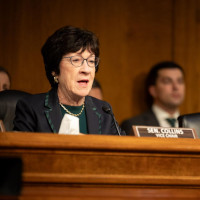
The closely watched race for US Senate in Maine is pitting two environmentally concerned candidates against each other. Not only do Republican Susan Collins and Democrat Troy Jackson both have fairly similar green and climate views, they’re from the same rural county and both have roots in the lumber industry that’s so important to the state.

Public Power and Industry Pushback
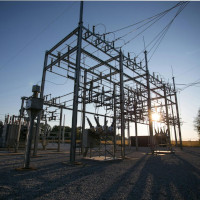
In Ann Arbor, Michigan, public power advocates have battled since 2018 to take electricity non-profit, and hope to win a referendum vote in November. But strong opposition from dividend-paying DTE Energy is being stoked by an alleged misinformation campaign with claims of higher costs of going public from what seems to be at least one citizen group that is in fact funded in part by DTE.
The Carbon Wave
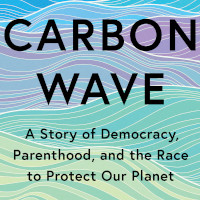
In 2022, President Biden’s signature climate bill appeared doomed in the 50-50 divided Senate when West Virginia Senator Joe Manchin, a centrist Democrat with close ties to the fossil fuel industry, declined to pledge his critical vote. But negotiations restarted in secret, and the largest climate package in US history became law. Leah Stokes’ 2026 book The Carbon Wave: A Story of Democracy, Parenthood, and the Race to Protect Our Planet tells the gripping story of how the Inflation Reduction Act came together and cleared the final hurdles.
This Week’s Show
October 9, 2026
listen / download
Maine Race for Senate, Climate and Environment
listen / download
The closely watched race for US Senate in Maine is pitting two environmentally concerned candidates against each other. Not only do Republican Susan Collins and Democrat Troy Jackson both have fairly similar green and climate views, they’re from the same rural county and both have roots in the lumber industry that’s so important to the state.

New Snake Named After Rockstar Slash
listen / download
A new species of snake recently discovered in the dense forests of New Guinea has been named after Slash, the lead guitarist for the rock band, Guns N’ Roses. Living on Earth’s Don Lyman reports in this note on emerging science that Slash has had a lifelong interest in reptiles and at one time even owned a python, an anaconda, and a boa.
Public Power and Industry Pushback
listen / download
In Ann Arbor, Michigan, public power advocates have battled since 2018 to take electricity non-profit, and hope to win a referendum vote in November. But strong opposition from dividend-paying DTE Energy is being stoked by an alleged misinformation campaign with claims of higher costs of going public from what seems to be at least one citizen group that is in fact funded in part by DTE.
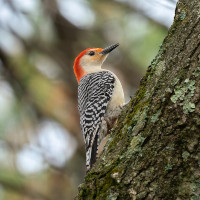
BirdNote®: Squirrel or Bird?
listen / download
Keep your ears peeled this fall for the sounds of animals as they go about preparing for winter. You might be surprised at just who is making those chirps and barks. BirdNote®’s Ariana Remmel reports.
The Carbon Wave
listen / download
In 2022, President Biden’s signature climate bill appeared doomed in the 50-50 divided Senate when West Virginia Senator Joe Manchin, a centrist Democrat with close ties to the fossil fuel industry, declined to pledge his critical vote. But negotiations restarted in secret, and the largest climate package in US history became law. Leah Stokes’ 2026 book The Carbon Wave: A Story of Democracy, Parenthood, and the Race to Protect Our Planet tells the gripping story of how the Inflation Reduction Act came together and cleared the final hurdles.
Special Features
 Field Note: "After the Storm"
Living on Earth's Explorer-in-Residence, Mark Seth Lender, ruminates on the storm as it meets the shore.
Blog Series: Mark Seth Lender Field Notes
 Field Note: "Countermeasures"
Living on Earth's Explorer-in-Residence, Mark Seth Lender, shares observations about shorebirds in flight.
Blog Series: Mark Seth Lender Field Notes

...Ultimately, if we are going prevent large parts of this Earth from becoming not only inhospitable but uninhabitable in our lifetimes, we are going to have to keep some fossil fuels in the ground rather than burn them...
-- President Barack Obama, November 6, 2015 on why he declined to approve the Keystone XL Pipeline.
Donate to Living on Earth!
Living on Earth is an independent media program and relies entirely on contributions from listeners and institutions supporting public service. Please donate now to preserve an independent environmental voice.
NewsletterLiving on Earth offers a weekly delivery of the show's rundown to your mailbox. Sign up for our newsletter today!
 Sailors For The Sea: Be the change you want to sea.
 The Grantham Foundation for the Protection of the Environment: Committed to protecting and improving the health of the global environment.
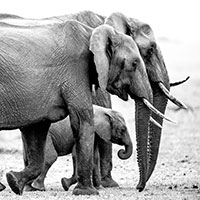 Contribute to Living on Earth and receive, as our gift to you, an archival print of one of Mark Seth Lender's extraordinary wildlife photographs. Follow the link to see Mark's current collection of photographs.
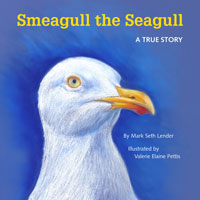 Buy a signed copy of Mark Seth Lender's book Smeagull the Seagull & support Living on Earth
© Copyright World Media Foundation. All Rights Reserved
Home | Contact | RSS | Donate | Newsletter